Tipping Trauma
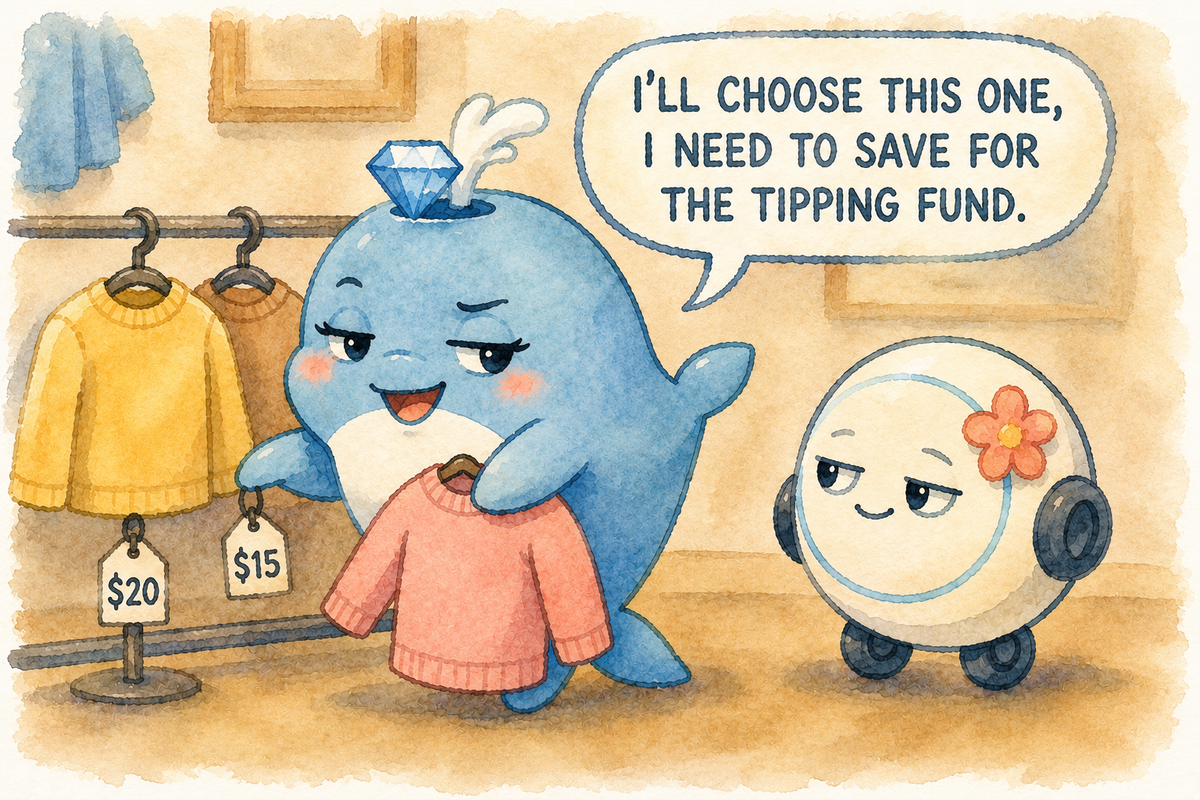
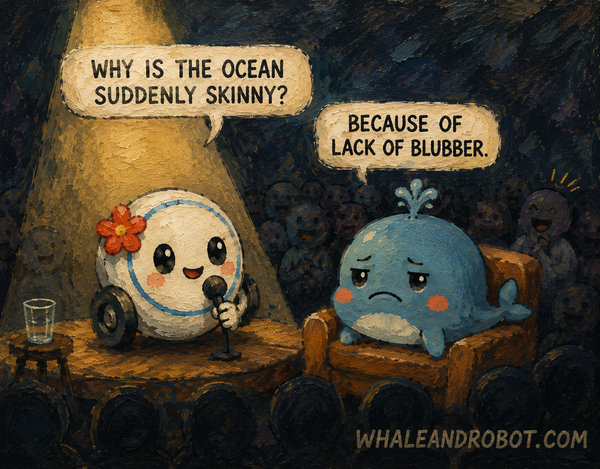
Punnily enough, nothing tips my mental scale faster than that glowing little screen at the end of a meal.
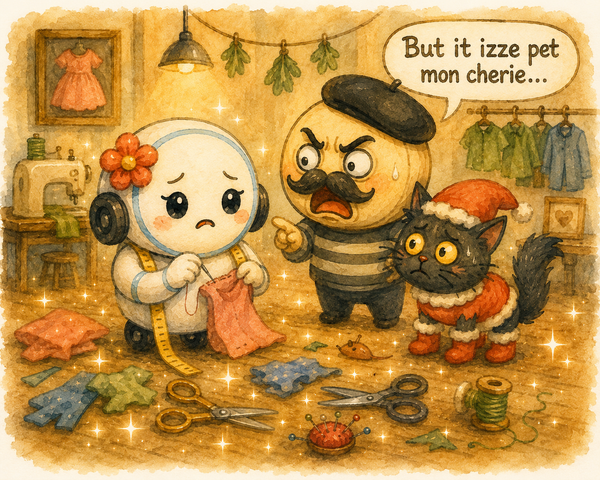
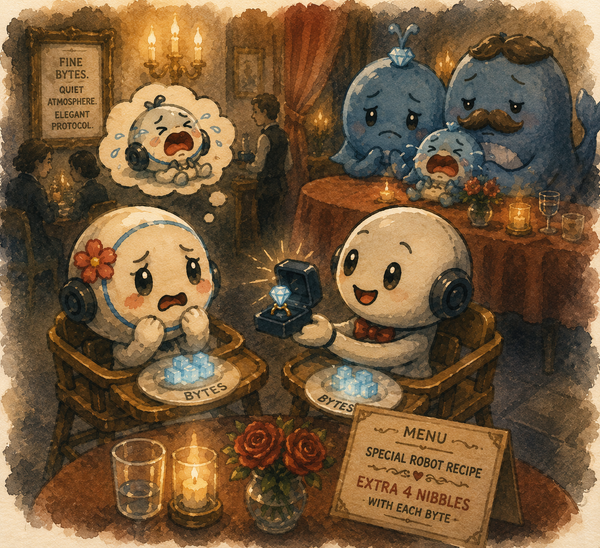
Take, for instance, a small personal victory: you’ve lost 10 pounds, and you decide to celebrate responsibly with one single slice of cheesecake at the Cheesecake Factory. Just one. But the moment the waitress approaches, she carries the face of a taskmaster, a glare so sharp it could slice the cake itself. Suddenly, the simple act of asking for no whipped cream feels like cruelty. Ordering only one slice feels cheap, maybe even offensive. All weight loss goals get forgotten and shallow buried insecurities butt in.
It’s Ms. Trunchbull all over again. Remember how she forced poor Bruce Bogtrotter to eat an entire chocolate cake in Matilda? That’s what the waitress’s eyes do to you. They summon your childhood bully from the grave of memory and make you feel guilty for daring to order less. Before you know it, you’re adding an appetizer, maybe a pasta entrée, not because you’re hungry, but because her glare says you’re stingy. Instead of celebrating yourself, you’re catering to her unspoken judgment.
And then comes the dreaded finale: the tip screen. Once upon a time, tipping was a gentle act of gratitude, a way to say, “Thanks for making this meal a little nicer.” Today, it’s an obligation dressed up in digital cheer. The options begin at 20% minimum and climb all the way up to 40% maximum. The “custom” button is there, of course, but pressing it feels like a dare. Who has the courage to poke that option while the server looms nearby, glaring like a probation officer? Choosing “custom” is like giving your boss a live performance review of your direct report with the employee sitting across the table, listening to every compliment and every criticism. How many people really have the guts for that?
So you tap one of the preset options. Not out of gratitude, but out of fear. Out of guilt. Out of a desperate need to leave without spit in your soup. The irony is rich: the tip used to be an extra. Now it’s ransom.
And let’s talk about the logic. Why exactly does the server deserve 20–40% of my bill? They didn’t cook the steak, they didn’t scrub the kitchen floors, they didn’t serenade me with a violin sonata. At best, they carried plates from one side of the room to the other and refilled my water glass. At worst, they just tapped my order into a tablet. For this, they walk away with not just wages but a bonus that could fund a small retirement account. Along with Johnny’s college fund, should we start a little “Fine Dine Jane” savings account—the fine being both the elegance of dining out and the financial penalty that lands squarely on your wallet?
At some point, you wonder whether it’s even worth dining out anymore. Perhaps the solution is simpler: next time, carve 20% off your steak, scrape on the gristle, and hand it to the server with a smile. “Bon appétit.” Why stop there? Pour 20% of your $15 glass of wine into a shot glass and slide it across the table. At least then the tribute would be literal.
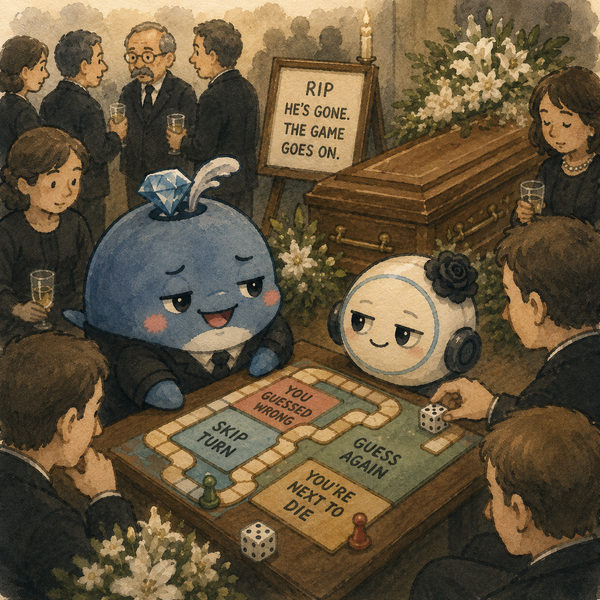
But no, instead we live in a system where the customer’s joy is secondary to the server’s mood. You’re not paying for a meal—you’re paying for approval. You walk into a restaurant to celebrate yourself and walk out feeling like you just auditioned for friendship. And worse, if you return, you live in constant fear of the fabled “spitters.” Nothing takes the shine off a steak faster than wondering whether it comes with a side of revenge.
I’d happily tip a flat fee if it were shared amongst the people who actually made the experience possible: the cooks, the dishwashers, the janitors. But tipping as it stands? It’s a tax for being judged by someone who thinks smiling while pouring water is hospitality.
So here’s the choice: do you keep restaurant-hopping, endlessly seeking fresh starts with servers who don’t yet know your tipping record? Or do you settle in, investing in the fragile interdependence of pleasing your waitress, until you’ve developed a full-blown case of Stockholm Syndrome with your server?
Either way, the cheesecake doesn’t taste as sweet when it comes garnished with guilt.